3 minutes
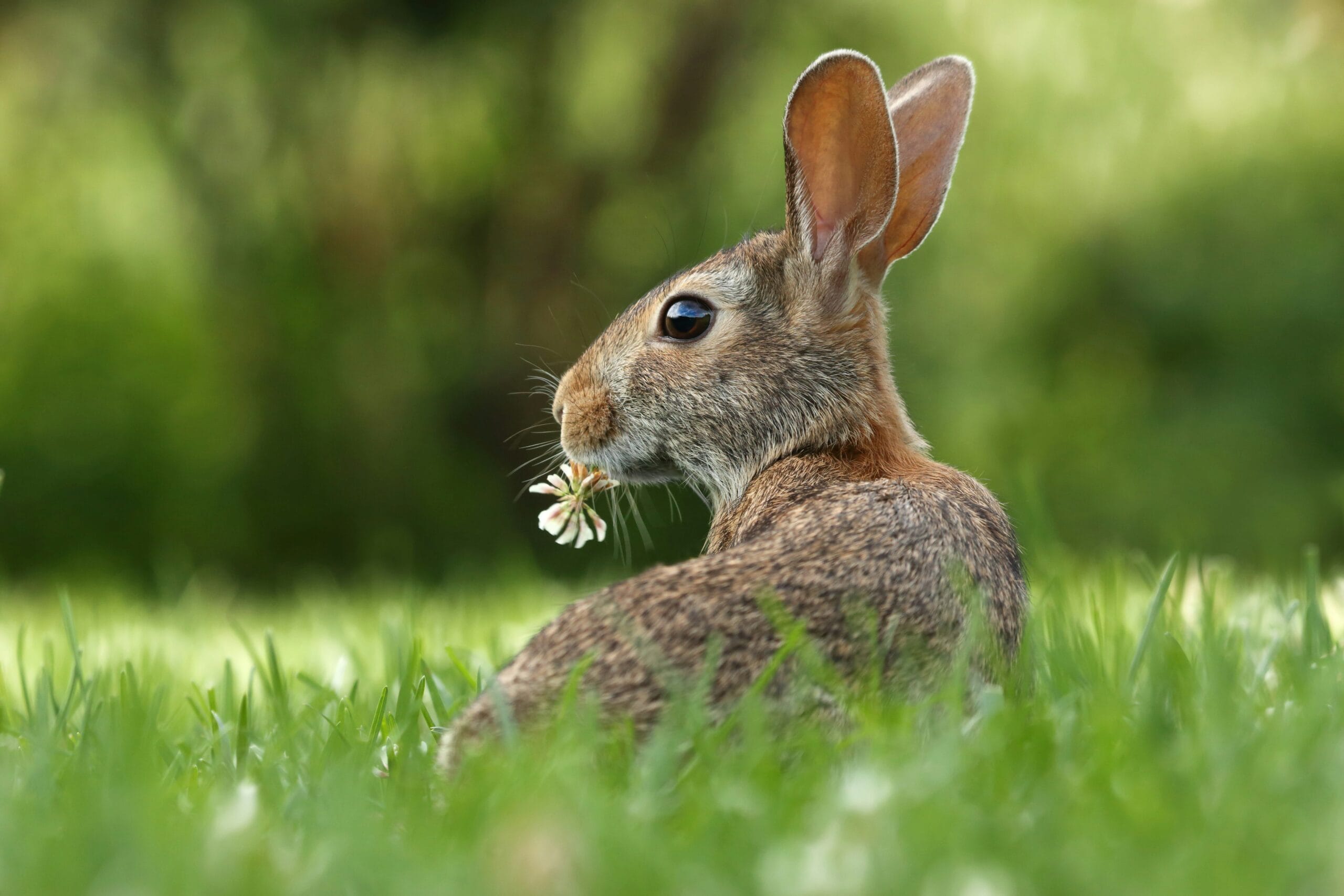
Biodiversity, also known as biological diversity, refers to all forms of life on Earth, from microorganisms, through plants and animals, to their complex interactions within ecosystems. It is not only the beauty of nature but also an essential component of human existence.
Biological diversity ensures ecological stability and the functionality of the environments in which we live, as each species plays a specific role—pollinating plants, purifying water, supporting nutrient cycles, or protecting against climate change. The loss of any element in this chain causes disruptions that affect us humans as well.
Sustainable development is impossible without maintaining healthy ecosystems. Biodiversity directly impacts food security, access to water, air quality, and even public health. The future of our planet depends on decisions made today by governments, businesses and individuals alike.
Deforestation, overexploitation of natural resources, urbanization, pollution and climate change are the main drivers of rapid species loss and ecosystem destruction. Every action against nature has consequences that sooner or later come back to us in the form of economic, health, and social crises.
Protecting biological diversity doesn’t have to start with large projects it can be as simple as choosing local food, supporting regenerative initiatives, creating wildflower meadows, investing in green infrastructure, or supporting impact projects such as planting food forests. You can read more about this here.


